Journal · July 16, 2026
Materials With a Longer Life: Choosing Finishes That Age Well
How to choose finishes for texture, maintenance, and long-term character instead of short-lived novelty.
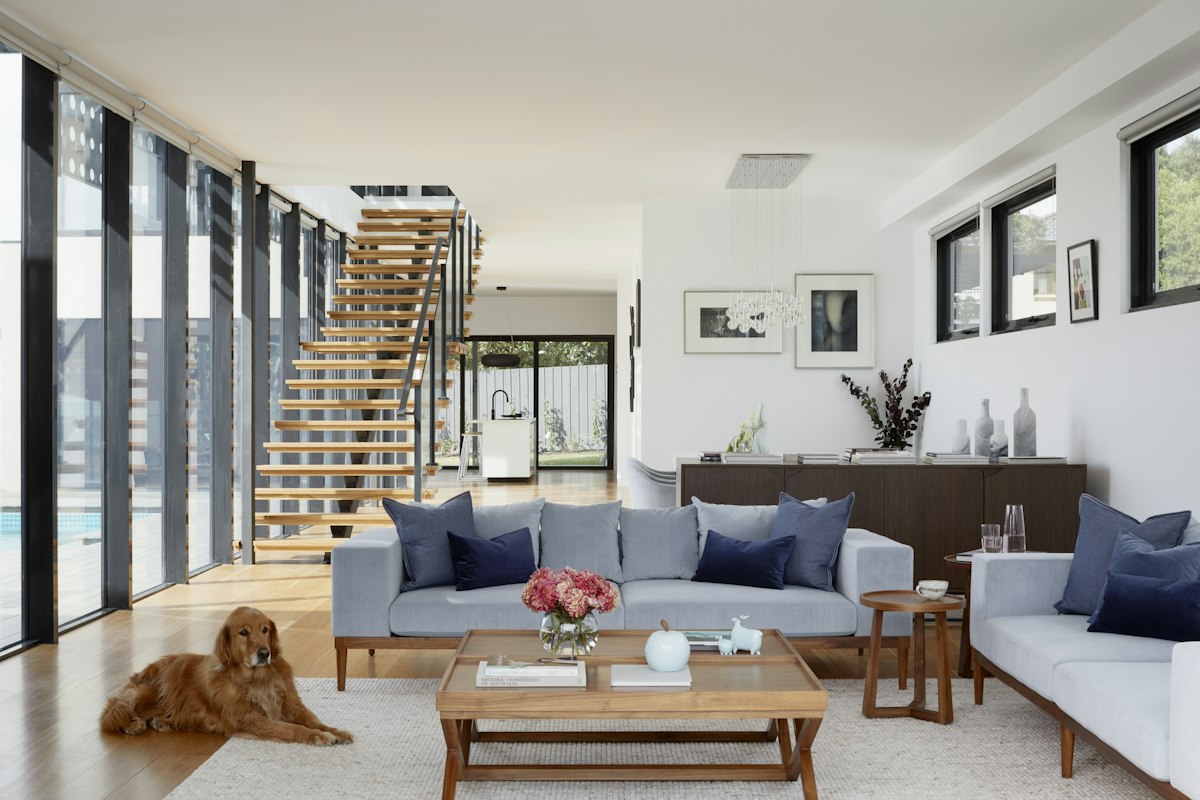
Think in years, not reveal photos
A finish should be judged by how it behaves after the excitement of installation has passed. Ask how it handles sunlight, water, fingerprints, heat, and the daily movement of a household. Durable does not have to mean utilitarian. A well-made timber, a honed stone, or a ceramic surface with subtle variation can be both resilient and beautiful. The best choices make the home easier to live with while growing more distinctive over time.
Natural variation is an advantage
Perfectly uniform materials can make a room feel flat and make every mark look like a flaw. Natural variation gives the eye somewhere to rest. The veining in a stone, the knots in timber, or the slight shifts in a handmade tile create a surface that can absorb everyday life. When selecting samples, look at them in the actual room and in both daylight and evening light. A material’s character is part of its performance.
Balance maintenance with pleasure
Every finish asks for care, but the right question is whether the care feels proportionate to the reward. A delicate surface in a low-use room may be a joy, while a busy kitchen needs something forgiving. Make a simple maintenance plan before choosing: what must be wiped daily, what can be repaired locally, and what will need specialist attention? Clarity at the start prevents disappointment later and helps a home remain beautiful without constant anxiety.
Let structure do the decorating
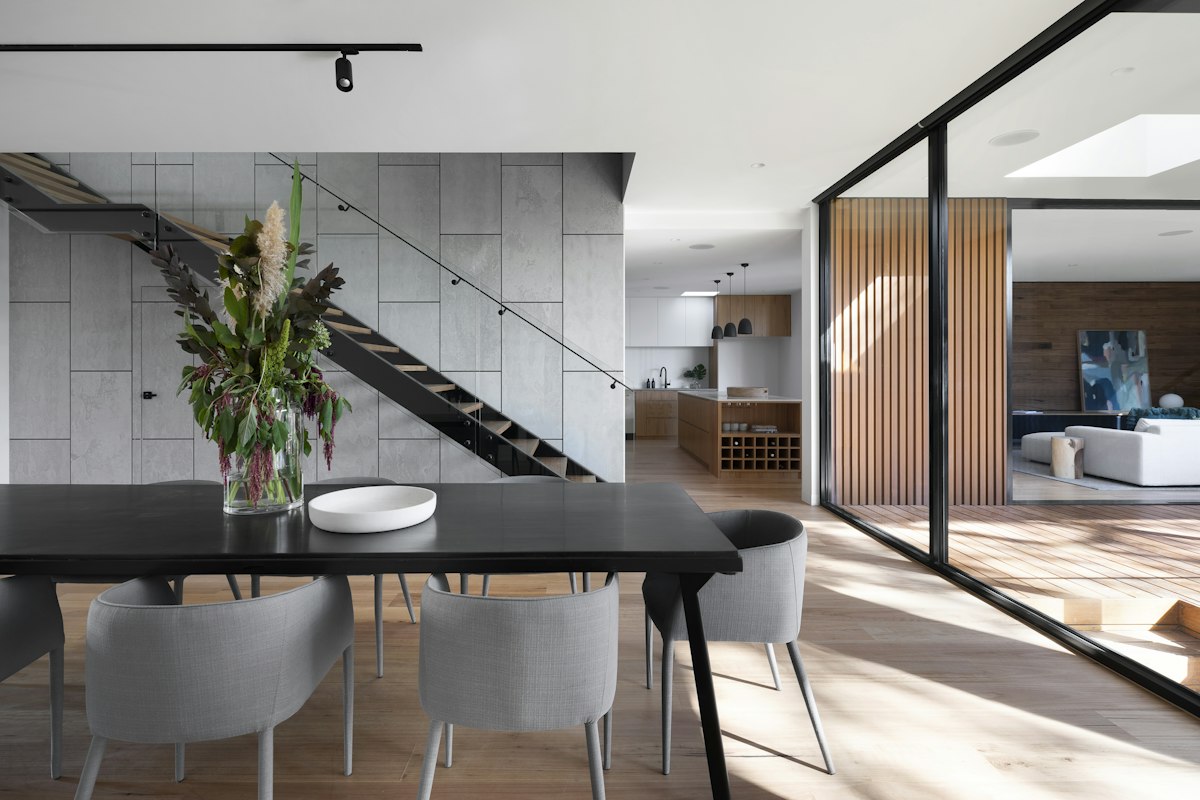
When architecture has strong proportions, finishes do not need to compete for attention. A quiet floor can give a sculptural stair more presence; a restrained wall colour can make a window feel larger; a simple backsplash can allow a beautiful cabinet line to continue uninterrupted. This approach is especially effective in open-plan rooms, where too many competing textures can make the eye work harder than the space requires.
Choose a palette that can travel
A durable material palette leaves room for change. Warm neutrals, soft mineral colours, and a few darker anchors can support different furniture, art, and textiles over many years. This does not mean a home should avoid personality. It means personality can arrive through pieces that are easier to change. A flexible background keeps the architecture relevant when tastes, routines, or occupants shift.
Details decide whether a finish feels resolved
Edges, transitions, and hardware are where material choices become architectural. Align grout lines, allow enough room for movement, and use consistent reveals around doors and cabinetry. A beautiful slab can lose its impact when the joint is careless. Conversely, a modest material can feel elevated when it is installed with precision. The small decisions are not secondary; they are what allow a room to feel quiet and complete.
A practical selection table
For busy surfaces, compare four simple qualities: resistance, repairability, visual aging, and ease of cleaning. Stone may bring depth and can often be refinished; porcelain offers consistency and low maintenance; timber adds warmth and can be renewed; painted surfaces are easy to refresh but need more frequent touch-ups. No single material wins every category. The right choice depends on the room, the routine, and the kind of patina you enjoy.
Make room for patina
A home with a longer life is not one that stays frozen at its first-day finish. It is one where use adds meaning. A softened timber edge, a gently marked stone, or a textile that becomes more comfortable can record the life of a room without making it feel worn out. Choose finishes that can accept those changes. The result is a home that feels more personal with time, not less considered.
A longer-life material check
- Compare samples in the room where they will actually be used.
- Ask how each surface handles water, heat, touch, and a repair six years from now.
- Review edges, junctions, hardware, and cleaning access before approving the main finish.
- Choose a patina you will enjoy rather than a pristine effect you will need to protect.
| Question | What to look for |
|---|---|
| What should be compared? | Resistance, repairability, visual aging, and the work needed to care for it. |
| Where does quality show? | At the edges, transitions, reveals, and places where two finishes meet. |
| What makes a finish lasting? | Its ability to accept use while retaining a clear sense of character. |
Place the samples beside the materials already in the room and return to them in morning and evening light before making the final choice.