Journal · September 8, 2026
Rooms That Hold the Day: Designing a Home Around Real Routines
A practical guide to shaping calm, useful rooms that support mornings, work, rest, and the small rituals in between.
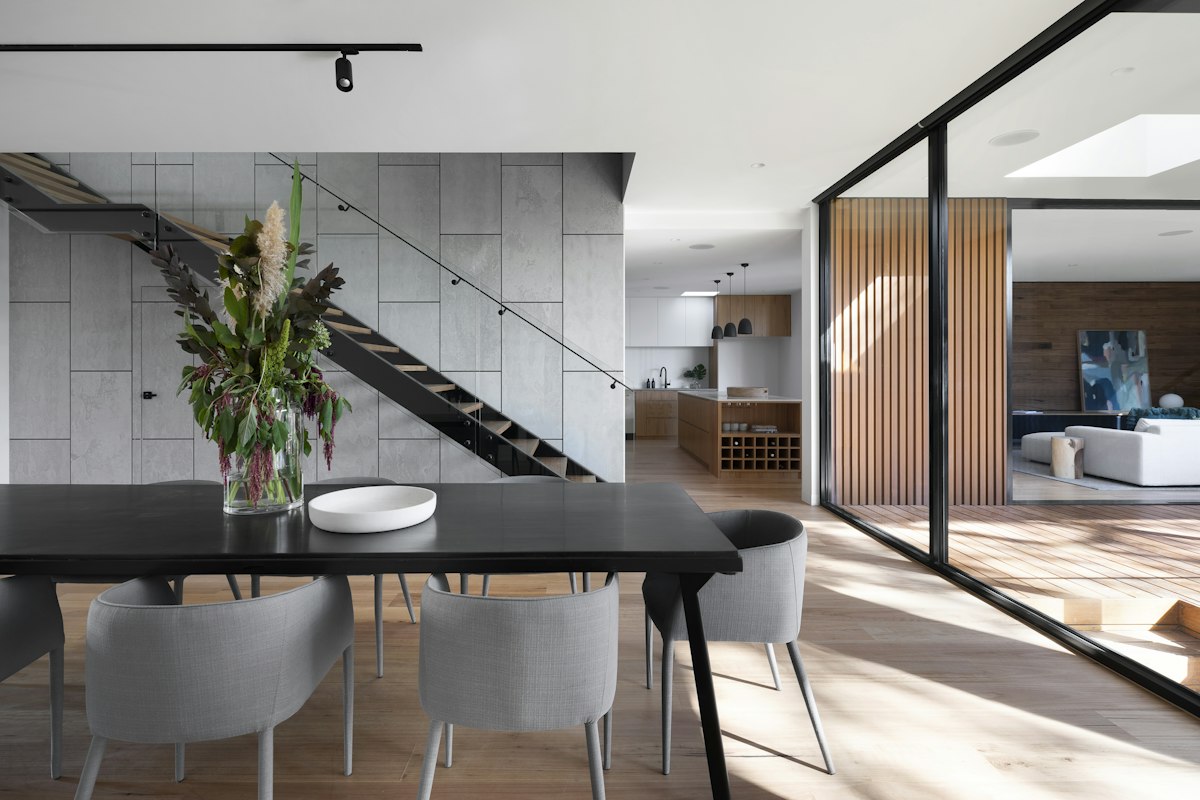
Begin with the rhythm, not the room
The most successful homes are rarely organised around an impressive photograph. They begin with the day as it is actually lived. Notice where bags land when someone walks in, where the first cup of coffee is made, and which corner catches the best light before noon. Those observations reveal more than a style board. They show where storage, seating, and circulation need to work together. A home can feel polished and still be deeply practical when its layout follows these small, repeatable movements.
Give each transition a landing place
Entry moments deserve more attention than they usually receive. A slim console, a generous hook rail, or a built-in bench can turn an awkward threshold into a useful pause. The same principle applies between kitchen and dining areas, or beside a bedroom door. When a transition has a clear purpose, clutter has fewer places to collect. This is especially valuable in compact homes, where every surface is asked to do several jobs without making the room feel busy.
Let light set the schedule
Natural light changes the emotional temperature of a room throughout the day. Morning light can make a breakfast area feel energising, while softer afternoon light may suit a reading chair or a place to reset after work. Instead of covering every window with the same treatment, consider how privacy, glare, and the view behave at different hours. Layered curtains, woven shades, and carefully placed mirrors can preserve brightness while giving each zone its own mood.
Build storage into the architecture
Storage works best when it feels like part of the room rather than a collection of additions. Full-height cabinetry can frame a doorway, a window seat can hide seasonal linens, and a shallow shelf can create a visual rhythm without taking valuable floor area. The key is to decide what deserves to be visible and what should disappear. A restrained mix of open and closed storage lets the home feel personal without asking every object to perform as decoration.
Use materials that reward touch
A calm interior is not necessarily a pale interior. It is a space with a deliberate balance of texture, sheen, and weight. Pair a matte wall with a polished stone surface, or a woven textile with a crisp timber edge. These contrasts create depth even when the colour palette is quiet. Durable materials also help a home age gracefully, which matters more than a perfect first impression. The best finishes become richer as they are used.
Plan for more than one kind of togetherness
A flexible home supports company and solitude without a dramatic rearrangement. Two comfortable chairs can create a conversation area inside a larger living room; a dining table can become a work surface when needed; a window bench can hold a book, a laptop, or a quiet cup of tea. The goal is not to make every room multipurpose in an obvious way. It is to give each space one strong identity and one or two generous alternatives.
A small checklist for the next walk-through
Before committing to a layout, walk through the home at three different times of day. Test the routes between the front door, kitchen, bathroom, and sleeping areas. Open every cupboard and ask whether the contents will remain accessible six months from now. Sit in the main rooms and listen. A home that feels good on a quiet afternoon should also be able to absorb a busy morning, a dinner with friends, and a week when everything happens at once.
The lasting value of a useful home
Designing around real routines does not limit a home’s beauty; it gives beauty a reason to last. When the plan supports how people move, gather, pause, and recover, the result feels natural rather than staged. That quality is difficult to photograph but easy to recognise in person. It is also one of the clearest ways to make a property feel welcoming to the next chapter, whether that chapter begins tomorrow or years from now.
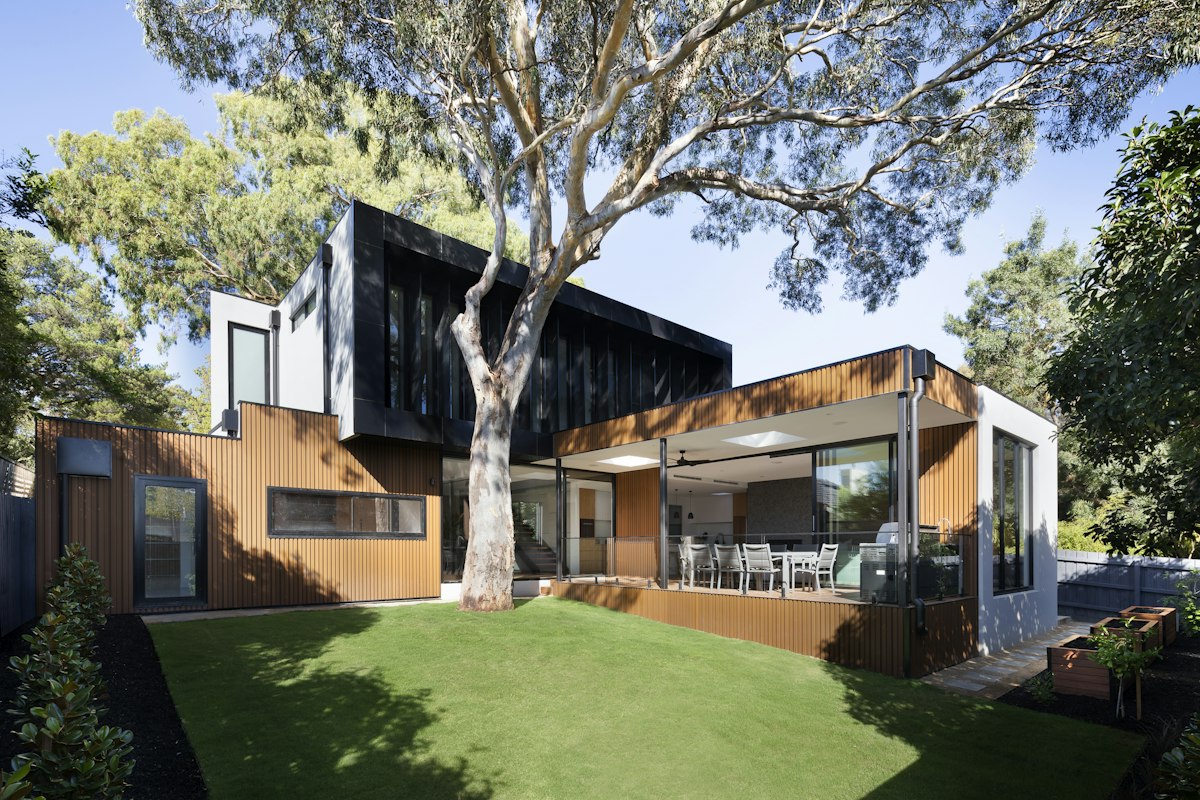
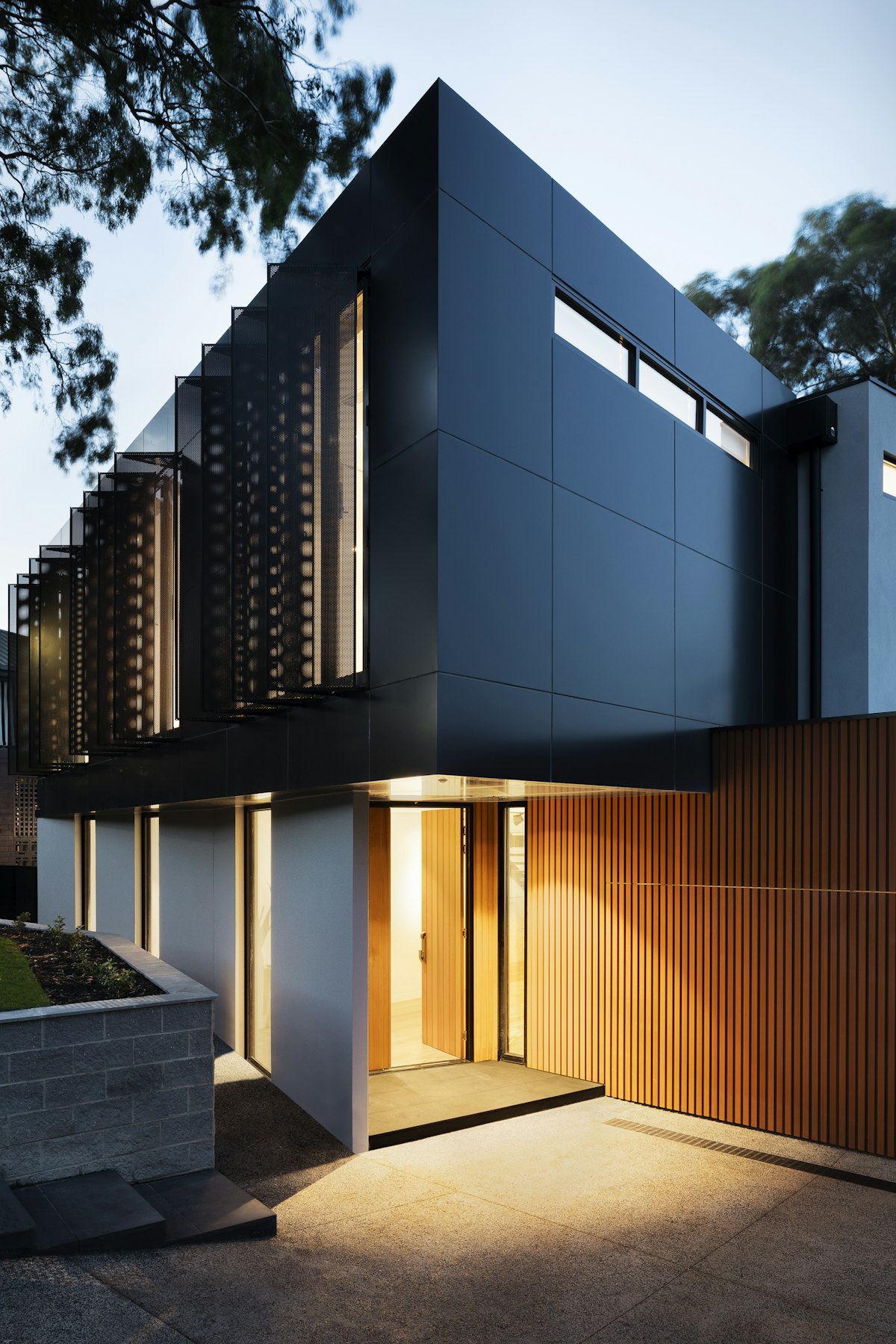
A routine-led walk-through
- Trace the first ten minutes of the morning from bed to the front door.
- Mark the surfaces that need to receive keys, bags, books, and chargers.
- Test whether each shared room offers both company and a small pause.
- Keep one flexible zone available for the routine that has not arrived yet.
| Question | What to look for |
|---|---|
| Where does the day gather? | The room with the easiest light and the least obstructed route. |
| What deserves a landing place? | The objects that arrive home with you every day. |
| Which change can wait? | A decorative decision that does not improve movement or comfort. |
Walk through the home at breakfast, after work, and before bed; the pattern of those three visits will reveal more than a single perfect arrangement.