About the studio
A more considered way to explore home
A calm, practical perspective on property, interiors, and the small choices that give a home its identity.
Good spaces begin with good questions.
A more considered way to explore home opens a wider conversation about the Northline approach: how a long sightline from the threshold can make a home feel layered without becoming precious. The first impression comes from the relationship between arrival, view, and movement, but its value is measured later, when the room has to support an ordinary day. This particular page keeps that relationship in focus, giving the character of A more considered way to explore home a clear place in the larger story.
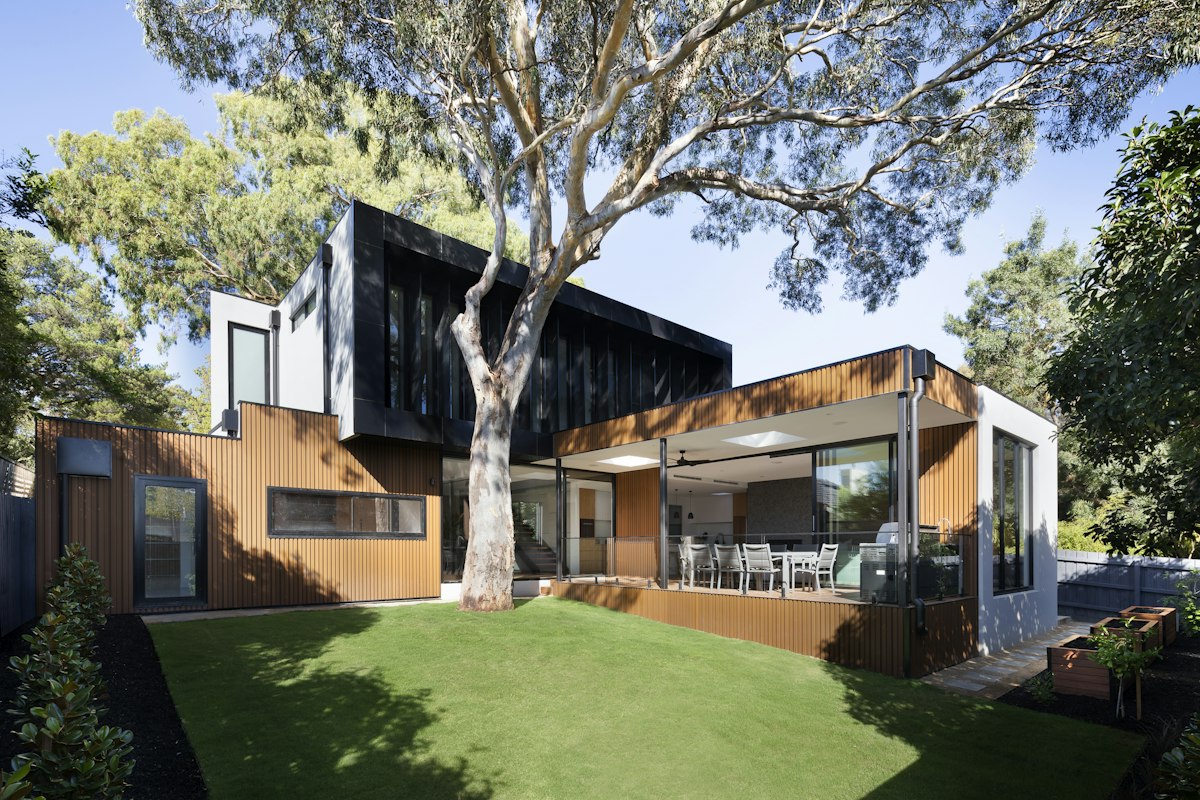
In A more considered way to explore home, late afternoon glow gives the plan its first change of mood. It is the kind of light that reveals whether a threshold is generous, whether a view has been framed with care, and whether the path from one room to the next feels natural. Instead of filling every pause, the design allows the eye to travel, settle, and notice how a sheltered terrace extends the feeling beyond the walls.
The material language of A more considered way to explore home is anchored by brushed stone, paired with hand-finished details so that surfaces feel layered rather than flat. That balance matters at the hand, under changing light, and after years of use. a grounded sense of place gives the quieter details room to register: a join, an edge, a shadow line, or the gentle variation that makes a finish feel selected rather than merely specified.
A more considered way to explore home finds its daily centre in an unhurried reading pause. A well-planned room can hold that moment without dictating it, leaving enough clearance for people to pass, pause, or gather. In this setting, storage is close to where it is needed, seating faces the most useful view, and the route through the home remains legible even when the day becomes busy. Practicality is allowed to look composed.
The most useful quality in A more considered way to explore home is its capacity to change register. soft reflected light can support concentration, a conversation, or a quiet reset without a complete rearrangement. That flexibility comes from proportion and placement rather than a catalogue of features. Each area has a recognisable purpose, while the connections between areas give the home enough generosity for new routines to take hold.
A closer reading also brings the less theatrical decisions into view. The position of storage, the comfort of a landing, the sound carried between rooms, and the way the exterior is reached all shape the experience of A more considered way to explore home. These details may not announce themselves in a single photograph, yet they are the reasons a home feels easy to inhabit after the first week and still rewarding after the first season.
When the story of A more considered way to explore home is shared, the clearest details should lead. Show the scale of a long sightline from the threshold, the texture of brushed stone, and the moment when late afternoon glow changes the atmosphere. Honest framing gives people enough information to imagine their own belongings and habits. It also keeps the design language warm: distinctive because it is specific, not because it is loud.
The questions around A more considered way to explore home are therefore grounded in use. Where does a morning begin, where can a person step away, and which view earns attention at the end of the day? The answers will differ from one home to the next, but this page has its own point of view. It suggests a place that is layered, tactile, and prepared to become more personal as life moves through it.
What matters to us
Clarity, character, and enough room for change.
We believe a home can be visually distinctive without becoming difficult to live with. Every recommendation starts with the people, routines, and light already present.
Start a conversation